PlayDate
A two-player conversation and block-stacking game for making close friends after college.
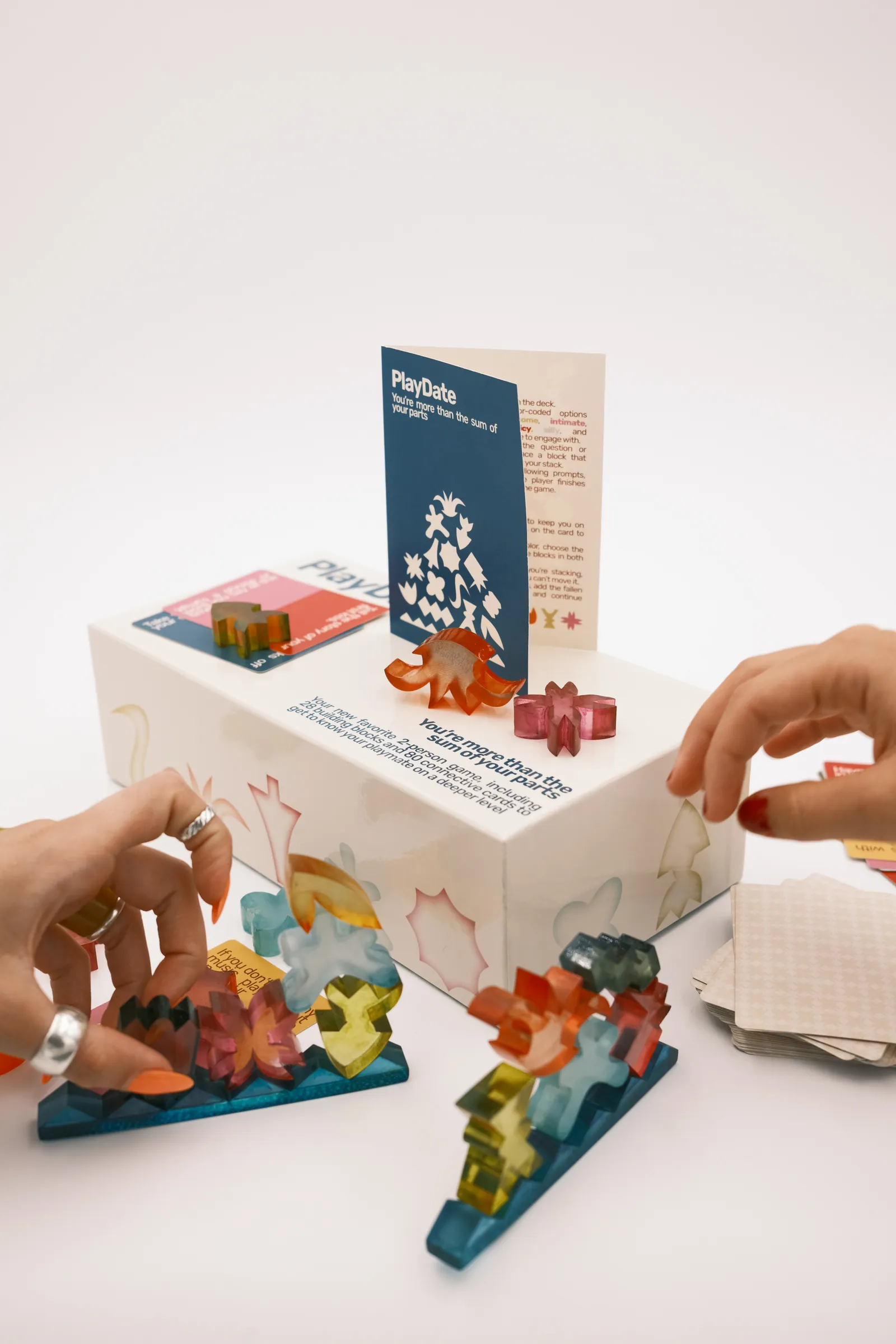
PlayDate is a game for building close one-on-one friendships. Each turn, a player draws a card, chooses one of two prompts, and adds a matching block to their stack. The first to stack all of their blocks wins.
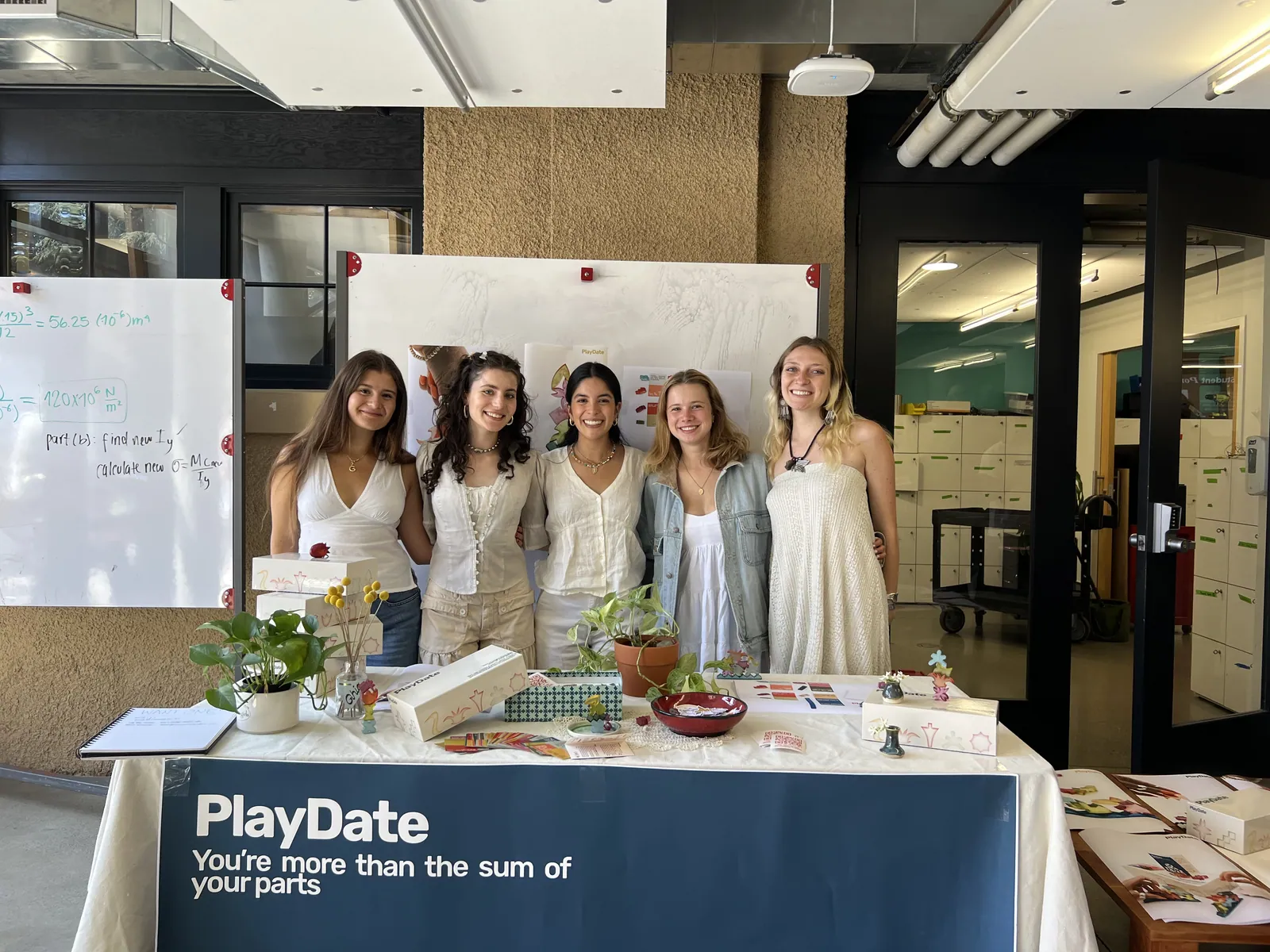
It was my senior capstone at the Stanford d.school. My team of five had all worked with preschool children, and we started by asking how children's play could help our own generation make friends.
- 2025
- Stanford d.school Design Capstone
- Ariella, Asia, Katie and Sosi
- Mike Simmons and Bill Burnett
- Two quarters, 2025
- 3D printing, Autodesk Fusion CAD, Figma, Website building, Overseas manufacturing
The problem
Our user was a recent graduate who has moved to a new city and wants to make close friends. Group activities are easy to find; one-on-one connection is harder.
Most games built for intimacy ask very personal questions too early, and they get repetitive because the answers don't change. Few are designed for two players, and almost none are competitive.
Research
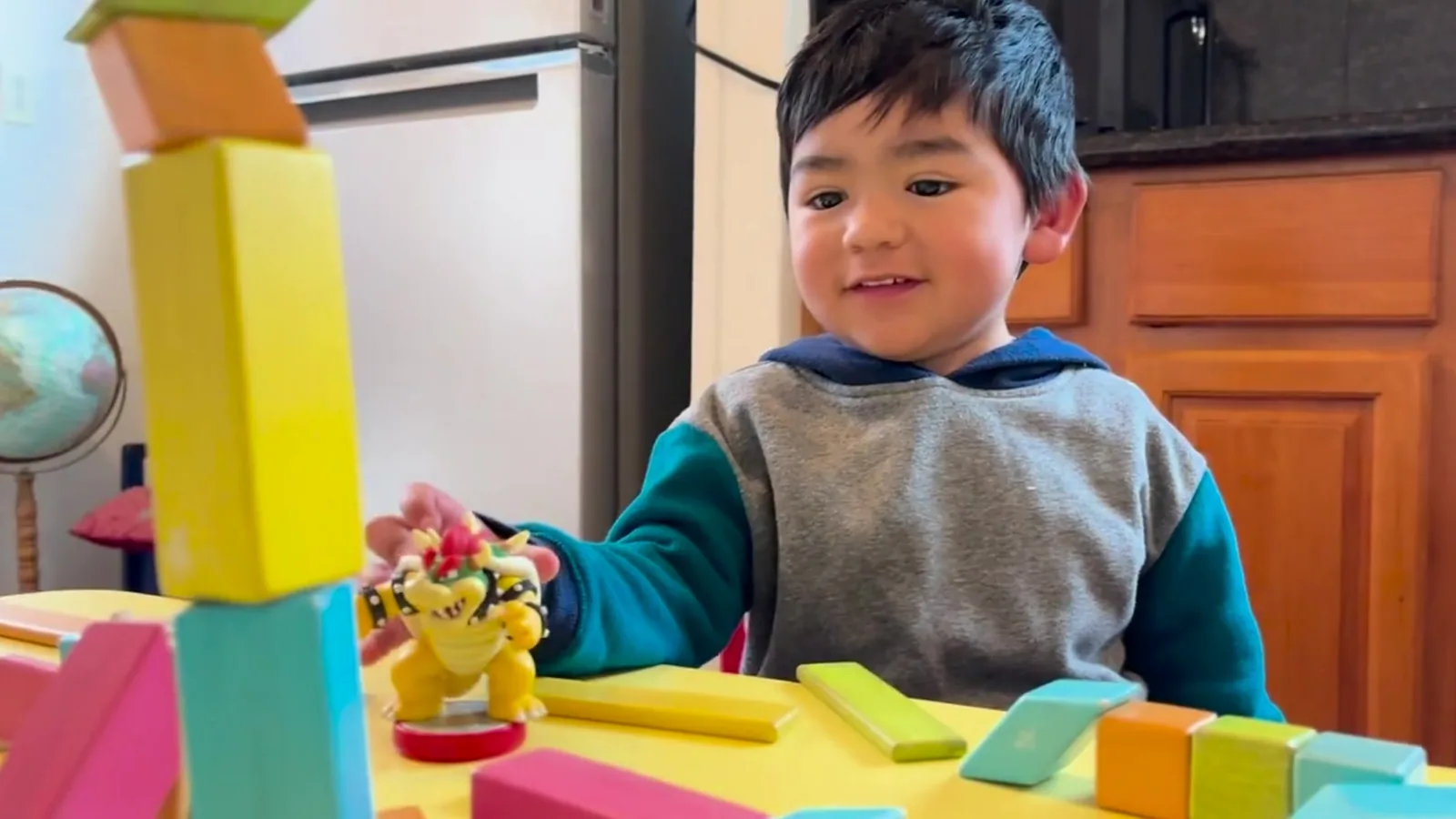
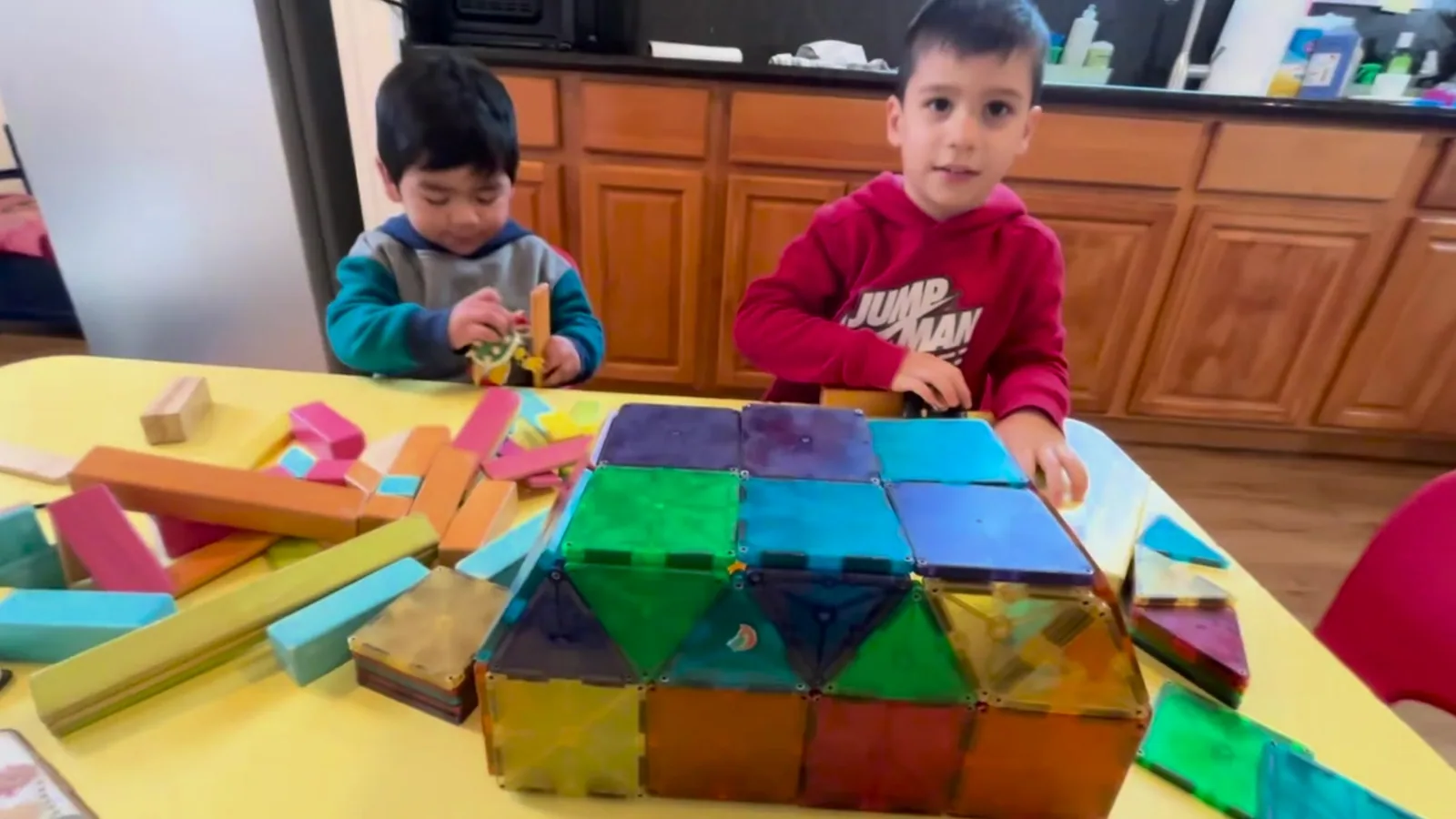
We watched preschoolers at Lilliput play with blocks. They enjoyed building, but they enjoyed knocking the stack down even more, and they made friends easily while playing.
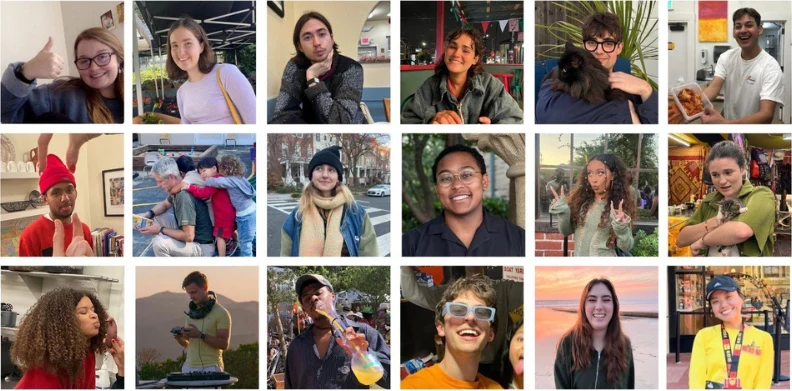
We then interviewed more than 20 recent graduates. They said they talk most openly when their hands are busy, and that fidgeting with an object helps when meeting someone new.
Concept
Early concepts included stacking monsters with a die and challenge cards, and open-ended blocks for adults. We kept four principles from that work: connective, aesthetic, two-person and unpredictable.
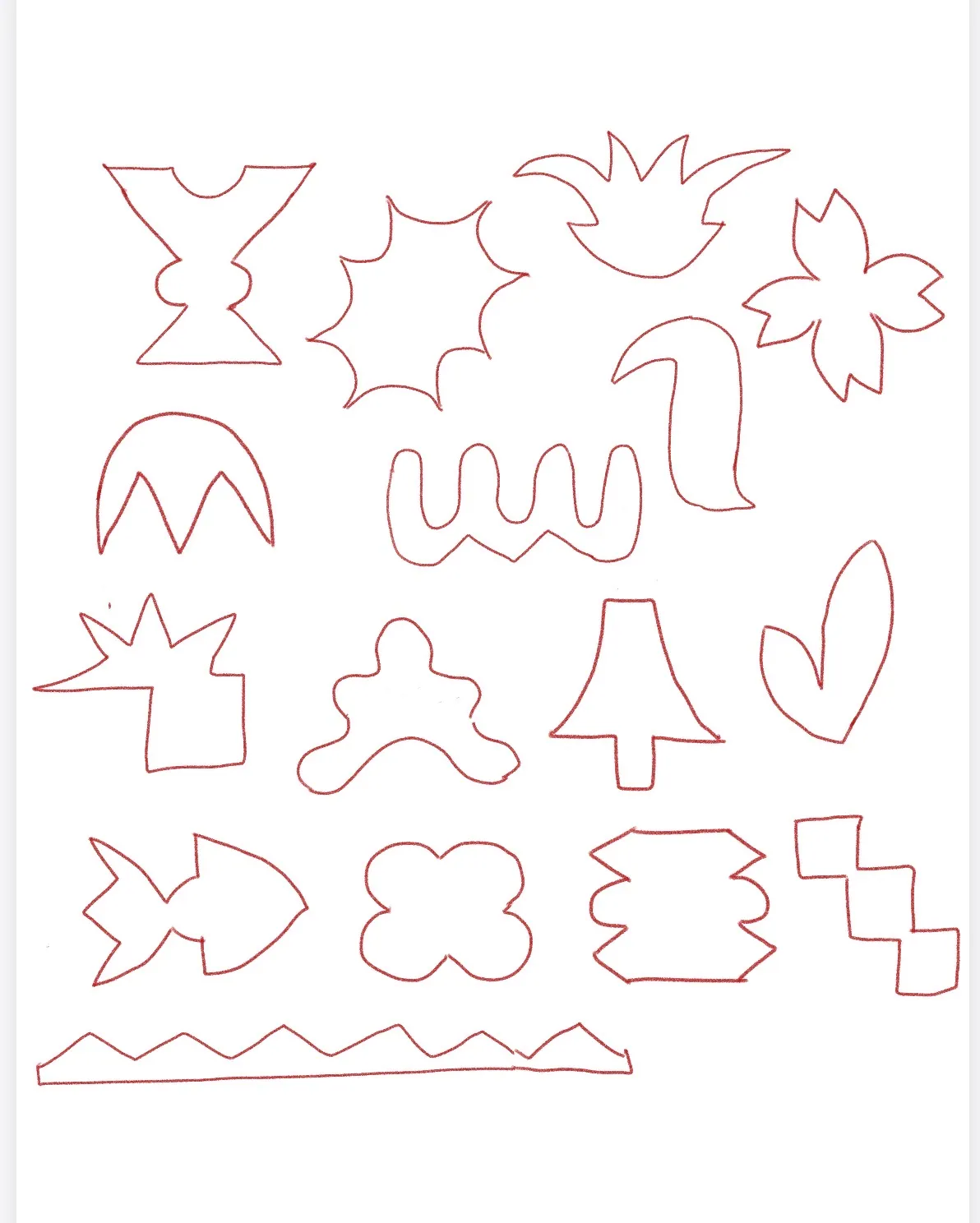
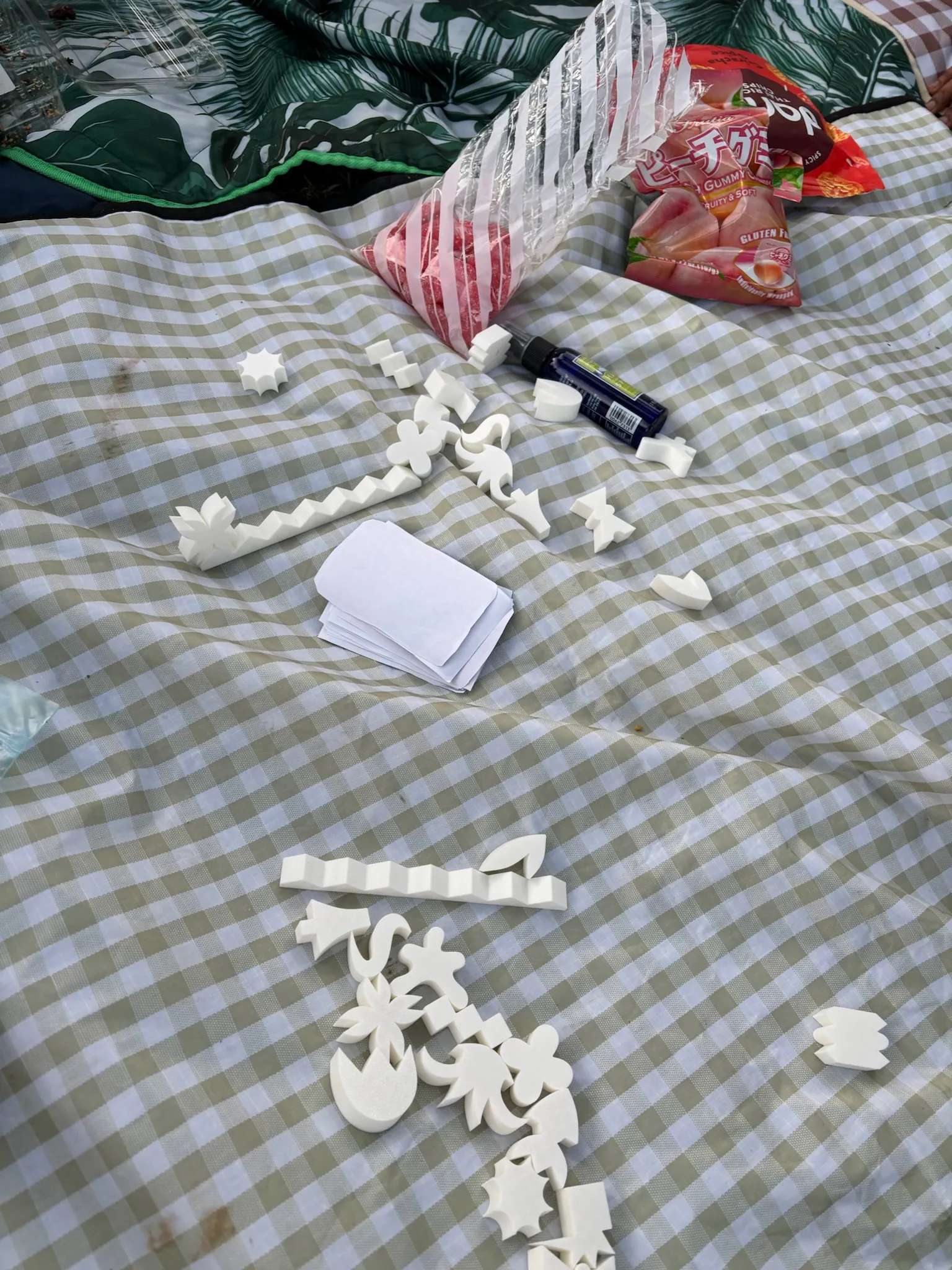
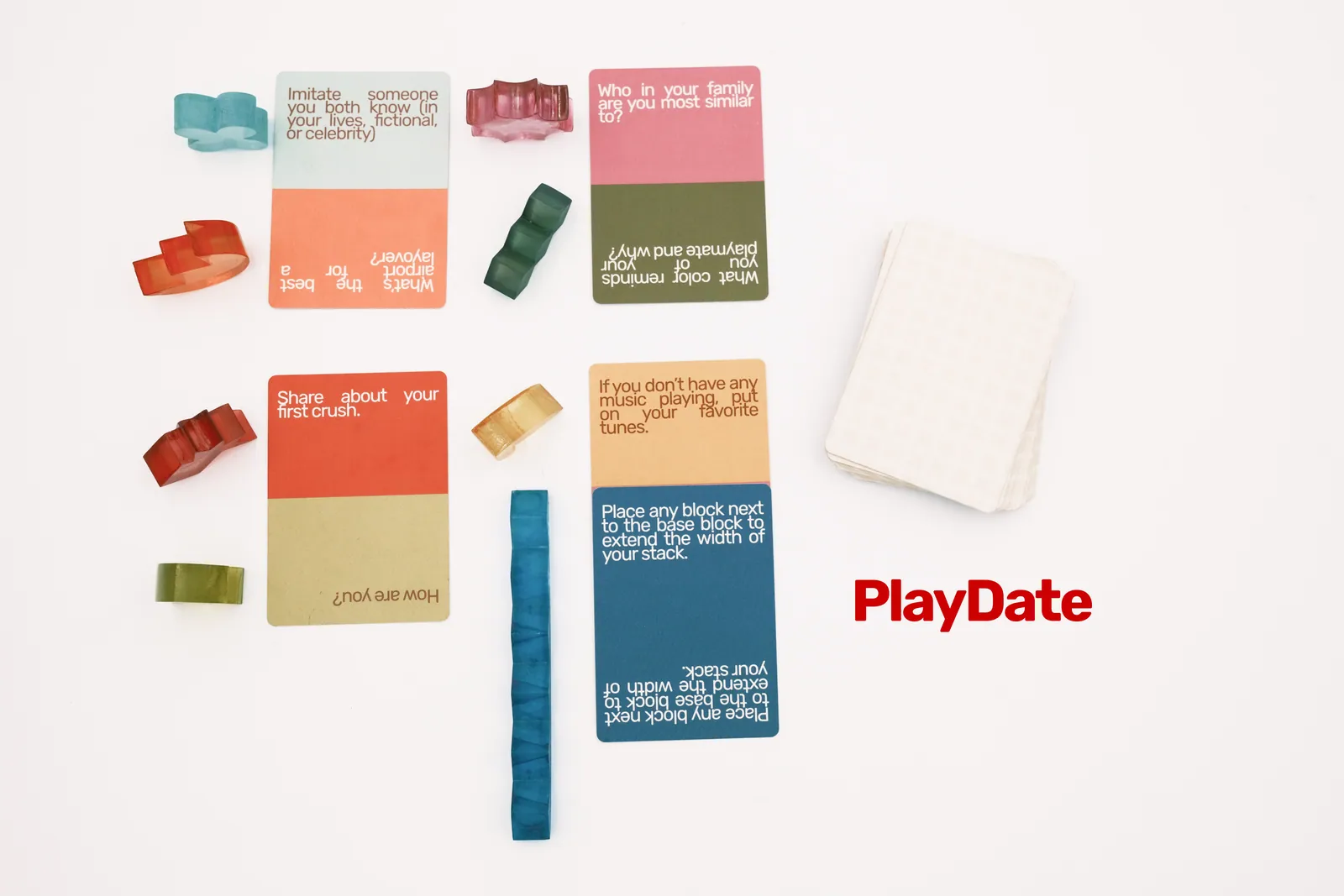
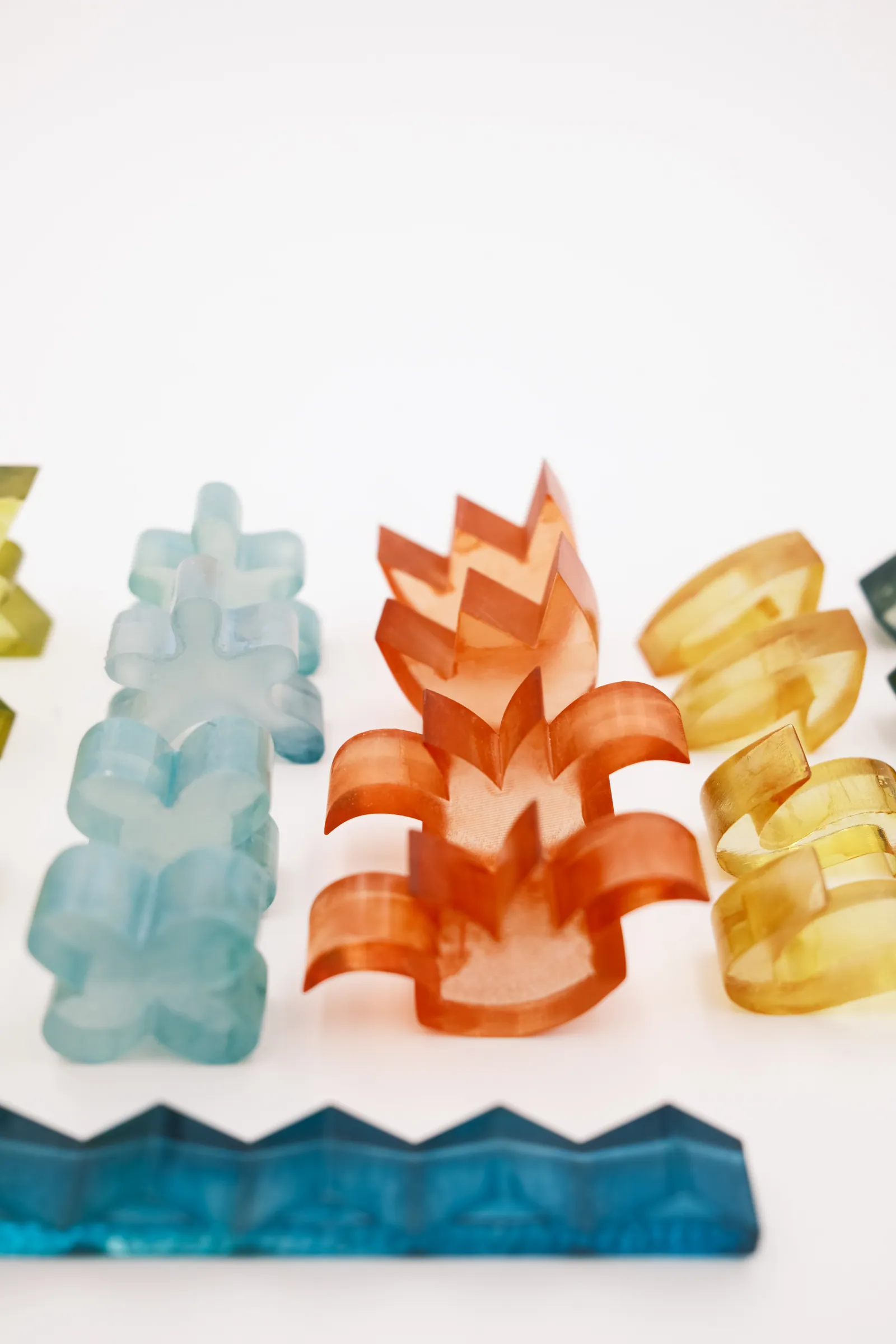
The block shapes draw on research into synesthesia (the kiki/bouba effect), so each shape matches an emotional theme. Every card offers two prompts, so players choose how much to share.
Testing
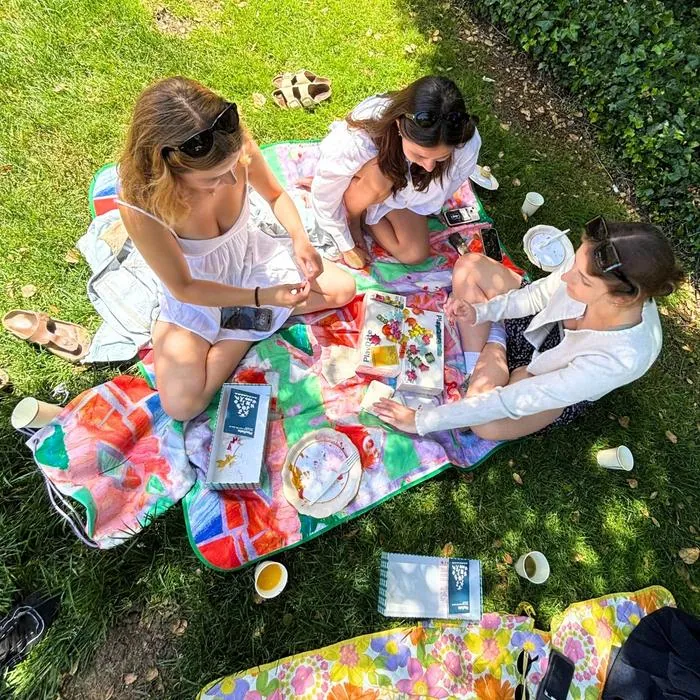
We playtested many versions with friends and at critiques.
- 80% of testers preferred abstract shapes
- 90% wanted to build something together with their partner
- All testers liked the question cards, and asked for them to connect more closely to the building
Making
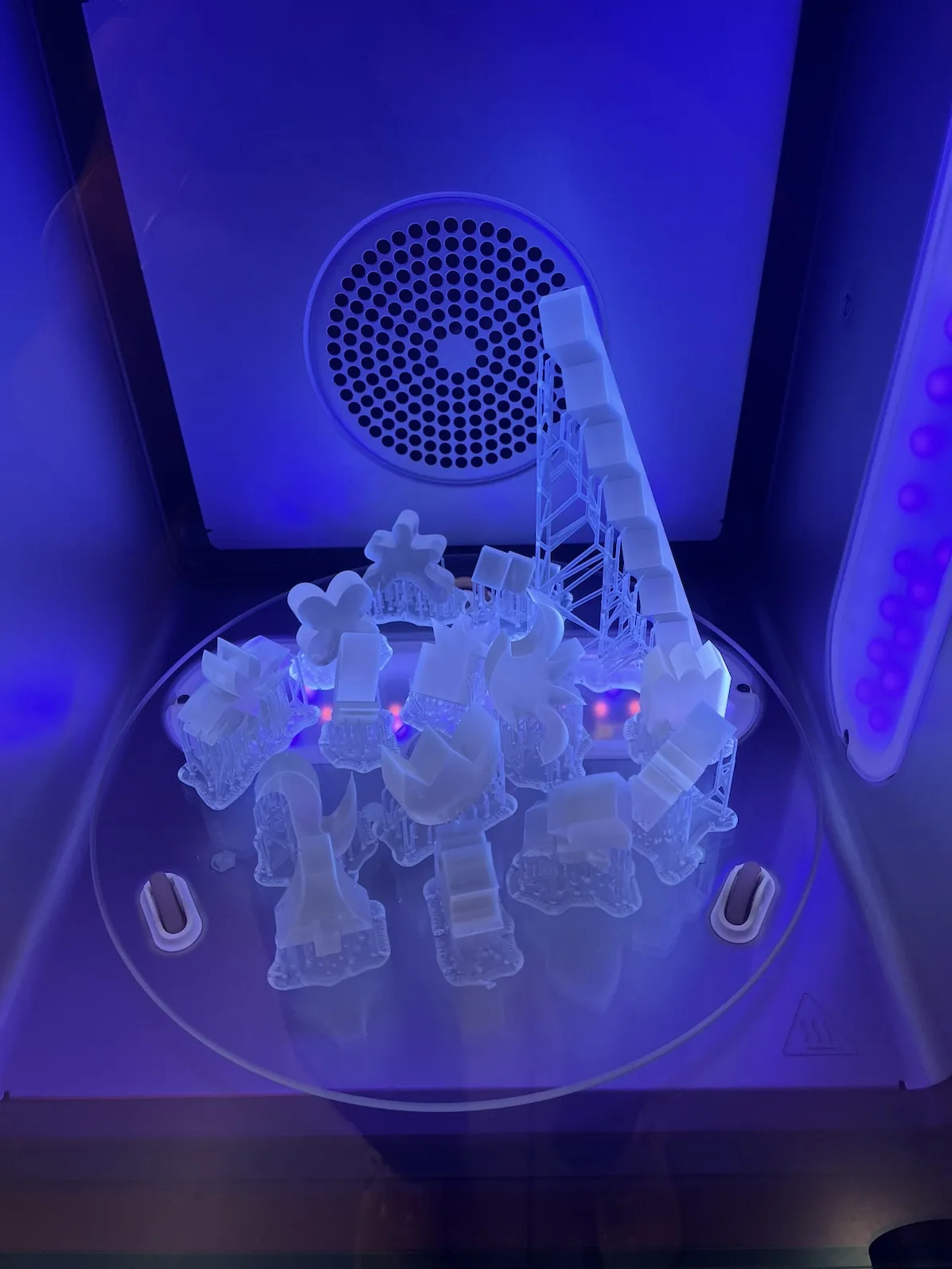
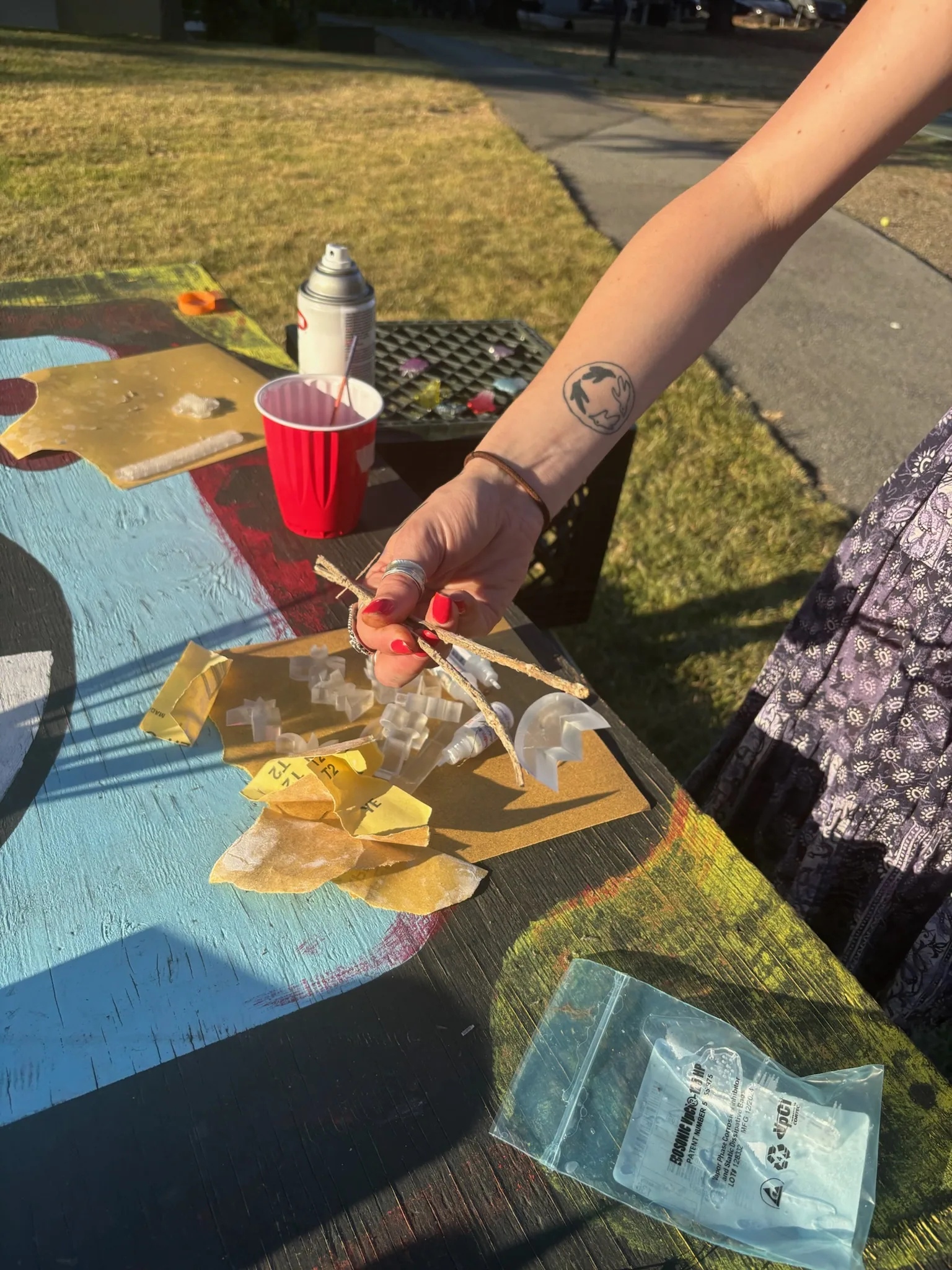
We chose resin for the blocks because in testing it had the best weight for stacking. The blocks were printed in Stanford's Product Realization Lab.
The deck is colour-coded across seven themes: wholesome, intimate, imaginative, active, spicy, silly and connective. The rules include versions for groups, for players with limited hand mobility, and for players with colour blindness.
Final design
The box holds two sets of stacking blocks, a deck of question cards and a rules booklet.
Outcome
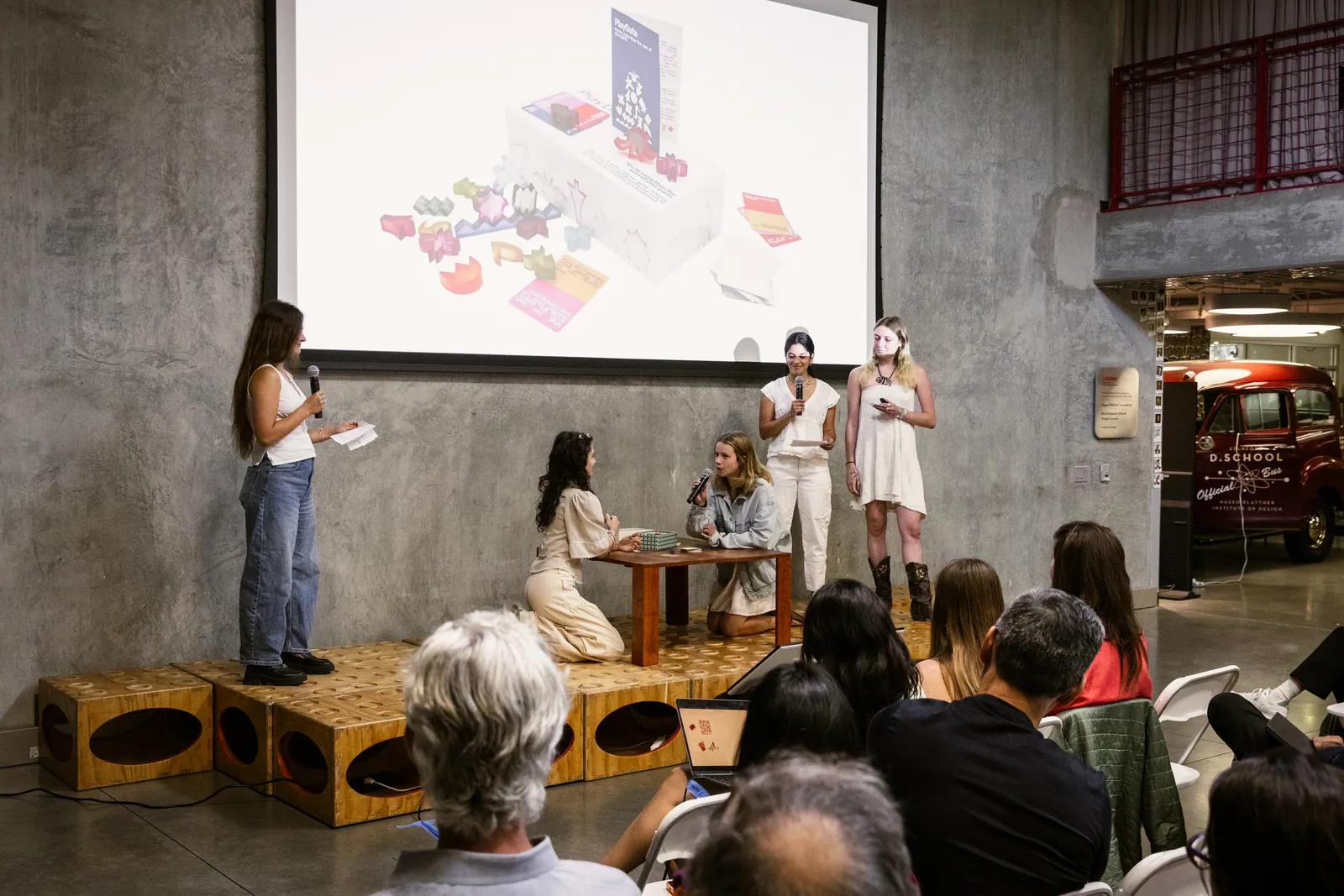
We presented PlayDate at the d.school Midflight Design Expo and at the Undergraduate Capstone presentations in June 2025, having built it on a combined budget of $625. I'm now developing PlayDate toward a Kickstarter launch.